


Science Behind the Scenes: Exploring the Tech being used in the CoDiet Clinical Trial
In the CoDiet clinical trial, researchers are using cutting-edge, non-invasive technologies to understand how our diets influence the risk of developing non-communicable diseases (NCDs) such as diabetes, heart disease, and obesity. Participants wear smart glasses that accurately capture what they eat, but that’s only part of the story.
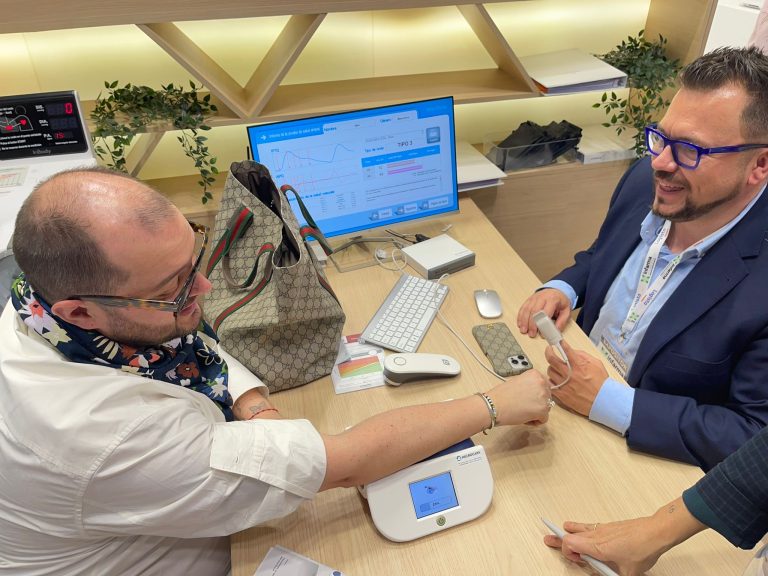
To get the full picture, the camera data will be combined with real-world measurements of health markers, such as muscle mass, fat distribution, and cardiovascular health, collected without the need for blood tests or hospital visits. By linking detailed dietary information with data from tools such as skin sensors, body composition analysers, and heart monitors, CoDiet aims to detect early signs of disease risk and provide personalised guidance for healthier living.
Meet Microcaya: The Tech Experts Behind the Scenes
One of CoDiet’s key partners is Microcaya, which started as a family business 40 years ago and is based in Bilbao, Spain. They focus on improving health quality by supplying new technology in the healthcare sector. Their work is contributing to the CoDiet project by:
- Providing tools to measure body composition, blood vessel health, stress levels, and more.
- Training scientists to use these tools properly.
- Offering ongoing support to make sure everything runs smoothly during the clinical trial.
Microcaya’s involvement helps ensure the data collected is accurate, consistent, and useful for understanding how diet influences disease.
We caught up with Dr Natalia Zaldua from Microcaya’s Scientific and Training Department to learn more about their involvement in the CoDiet project.
Q: What inspired Microcaya to join the CoDiet project?
Natalia: Microcaya is dedicated to advancing health technology. By working with research projects, the company stays at the forefront of innovation, helps improve scientific tools, and contributes to research publications. In the CoDiet project, we are supporting the testing and validation of methods and devices used to monitor health and diet-related conditions.
Microcaya was brought into CoDiet by AZTI, who lead the project, because of its experience in providing health technology and scientific equipment. In the project, we supply tools that help measure things like body fat, signs of ageing, how flexible blood vessels are, and how people respond to stress. These measurements are important for understanding how diet affects our health, alongside what people are eating.
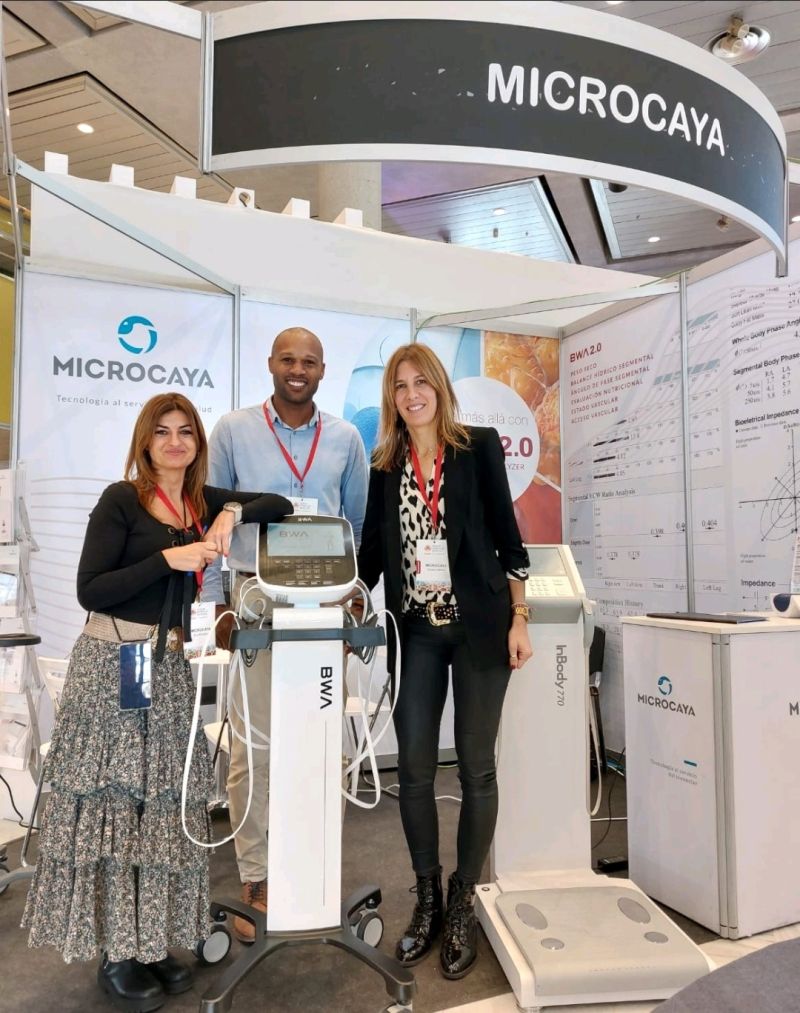
Picture far right: Dr Natalia Zaldua
Q: What exactly is Microcaya doing within the project?
Natalia: Within the CoDiet project, Microcaya plays a key role as a provider of advanced health technologies in two key areas.
- 1. Technology Provider and Advisor
Microcaya helps by recommending and supplying tools that measure things like body composition, blood vessel health, and risk factors for diseases. These include devices such as body analysers, AGE readers (which detect signs of ageing), and tools to assess stress and blood flow. These instruments are non-invasive and provide accurate, reliable data for the project.
- 2. Training and Support in Measurements
Microcaya also trains the research teams to use the equipment properly. They offer ongoing technical support to make sure the devices are used correctly and consistently across all study locations.
Q: Why is it important for clinical trials, such as the one being run in CoDiet, to incorporate non-invasive technologies? How do they help reduce NCD risk in the real world?
Natalia: Non-invasive technologies are tools that don’t require needles, blood samples, or any kind of physical intrusion, and they play a key role in making the CoDiet study more practical, inclusive, and relevant to real life. They matter because:
Better experience for participants – These tools make it easier and more comfortable for people to take part in the study. Because they don’t involve pain or recovery time, participants are more likely to stay involved and follow through with the trial, which helps researchers collect consistent and reliable data.
Real-world relevance – The equipment used in CoDiet is portable and easy to use, meaning researchers can gather data not just in hospitals, but in community settings too. This gives a more accurate picture of how people live, eat, and manage their health day to day.
Spotting early warning signs – By measuring things like body composition, blood vessel health, and stress levels without invasive procedures, researchers can detect early signs of conditions like heart disease, diabetes, or obesity. This helps build a clearer understanding of how diet contributes to these diseases.
Making prevention more accessible – Because these tools are quick, scalable, and don’t require specialist settings, they could be used more widely in everyday healthcare. CoDiet is showing how such technologies might help tailor dietary advice and support preventive care for more people, especially in communities where access to healthcare is limited.
Q: One of the devices you’ve provided is the InBody 970. How does it help the project understand the link between diet and disease?
Natalia: The InBody 970 is a device that gives researchers a detailed picture of what’s going on inside the body, far beyond just weight or Body Mass Index (BMI) measurements. It uses a method called bioelectrical impedance to measure things like muscle mass, fat distribution, water balance, and even signs of cellular health.
In the CoDiet project, this kind of data helps researchers understand how different diets affect the body over time. For example:
- Cell health: One measurement called phase angle gives clues about how well cells are functioning. Poor cell health can be an early sign of disease.
- Fluid balance: The device can detect if someone has too much or too little water in certain parts of the body, which might point to inflammation or circulation issues, both of which can be influenced by diet.
- Nutritional status: It helps identify signs of malnutrition, which is especially important when studying vulnerable groups who may not have access to balanced diets.
- Muscle loss: It tracks muscle mass and can flag conditions like sarcopenia (age-related muscle loss), which is often linked to poor nutrition and can increase the risk of illness.
- Fat distribution: It doesn’t just measure how much fat someone has but where it’s stored, especially visceral fat around the organs, which is closely tied to diseases like diabetes and heart disease.
By collecting this kind of detailed, non-invasive data, CoDiet researchers can build a clearer picture of how diet shapes health and why some people are more at risk than others.
Get involved!
By combining data captured by the smart glasses in the clinical trial with non-invasive health monitoring, the CoDiet trial is hoping to contribute to a real-world picture of how diet affects health. With detailed insights into what people eat and how their bodies respond, CoDiet is paving the way for more personalised, practical solutions to prevent NCDs and promote healthier living.
The CoDiet project will soon start recruiting for the clinical trial running in the UK, Ireland, Spain and Greece. Keep up to date with updates here.

Guest Authors