


Collaboration in Action: Our Visit to CoDiet Partners in Bilbao
From the 6th to the 8th of October, Ivana Balkan (Innovation Manager for CoDiet) and I (Communication Manager for CoDiet) travelled to Bilbao in Spain to visit a few of the partners in CoDiet and attend the project’s third annual Showcase in person.
As CoDiet enters its final year, it’s important that, as co-leads of Work Package 8: Communication, Dissemination and Exploitation, we understand the project’s expected outcomes and how its research and innovations can continue to create impact beyond the project’s lifetime.
Several CoDiet partners are based in Bilbao, including the project’s coordinating partner, AZTI; industry partner, Microcaya; and research institution, CIC bioGUNE.
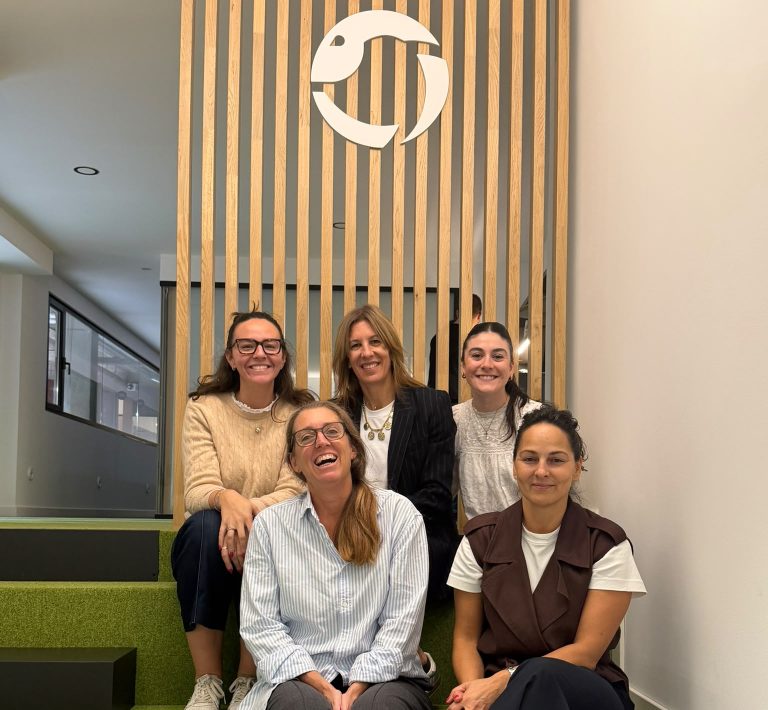
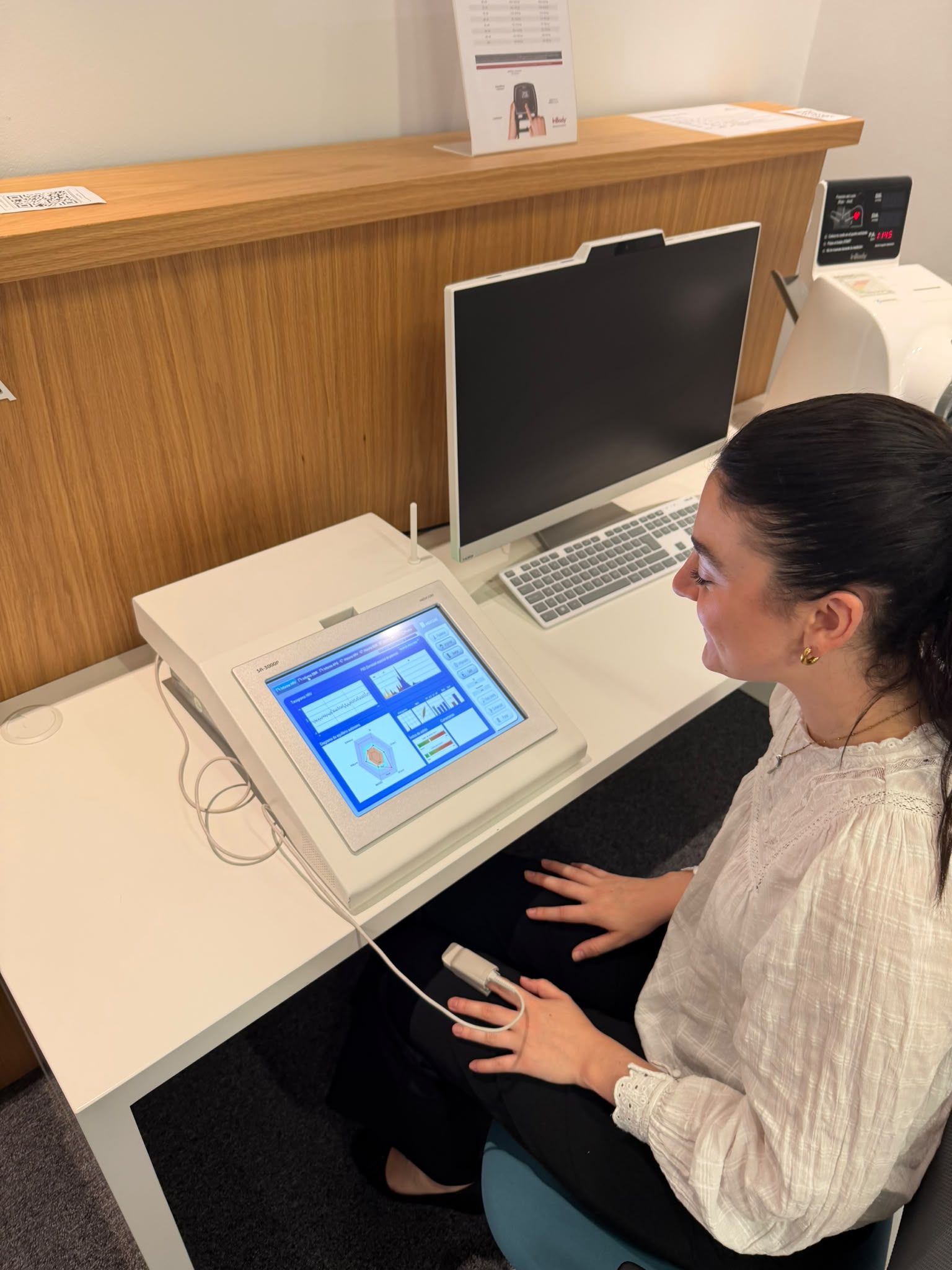
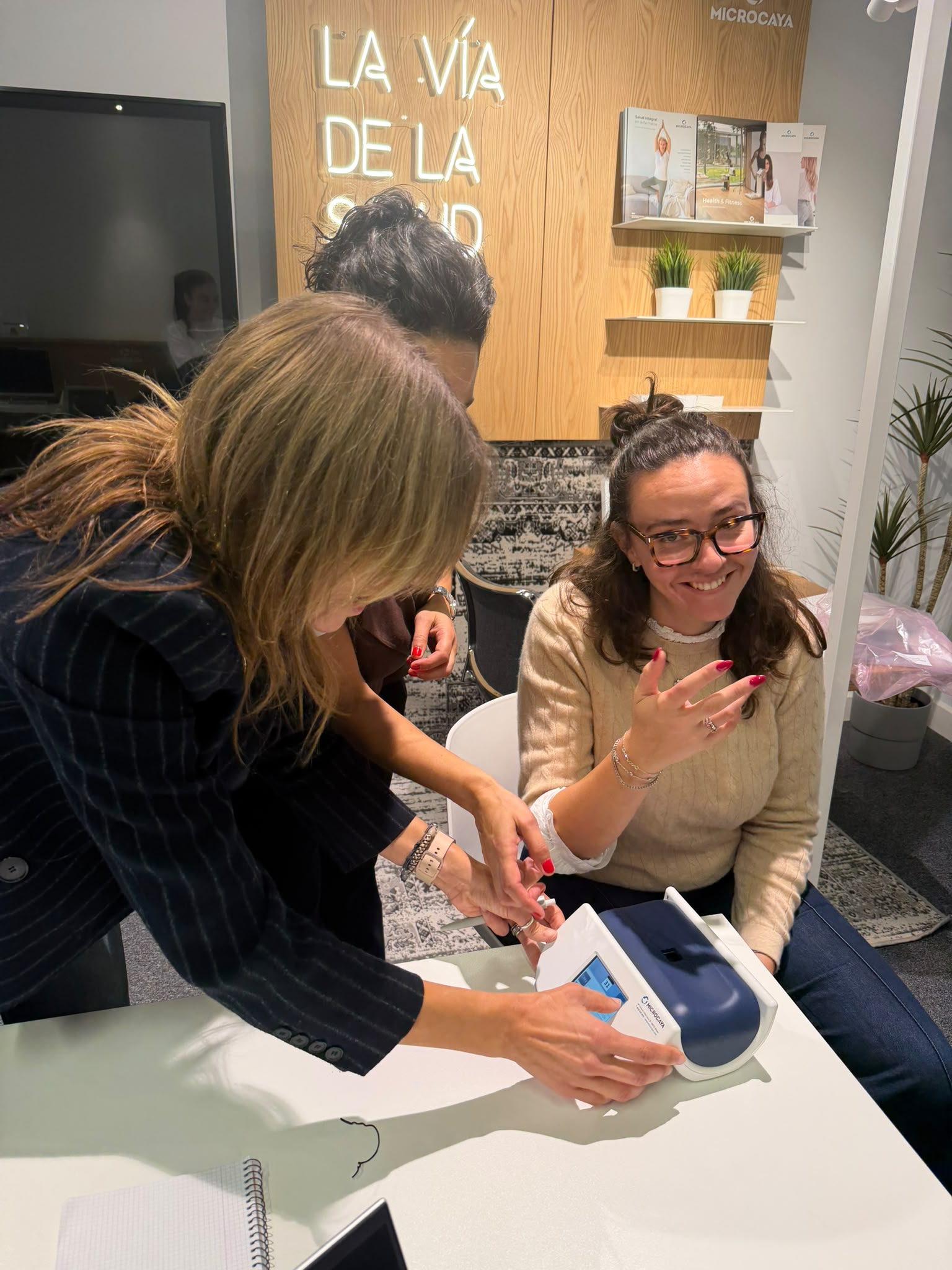
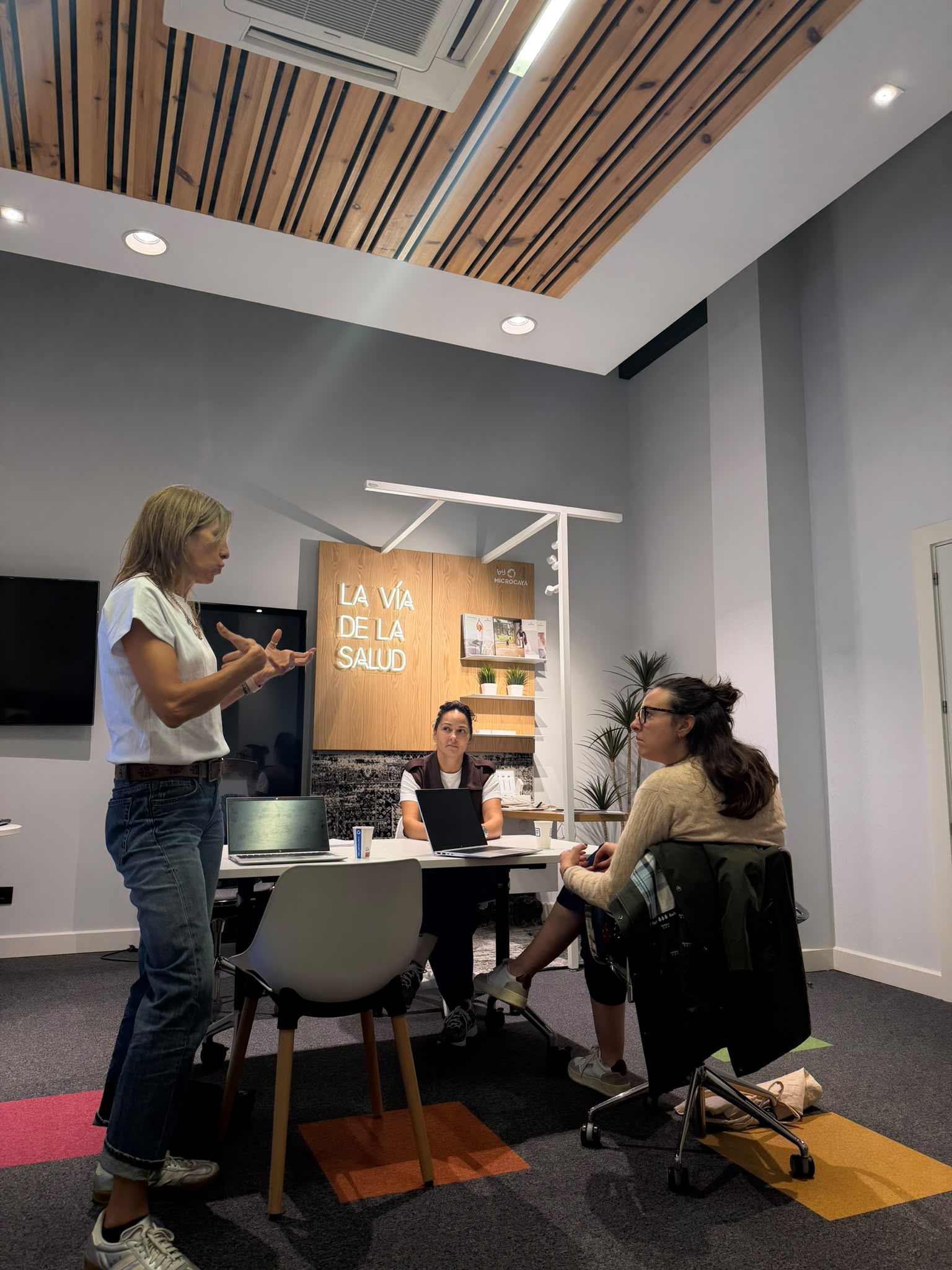
On Wednesday, Ivana and I started the day early, heading towards the Microcaya headquarters in central Bilbao. We met with Natalia Zaldua, Ines Barretxeguren, and Anabel Martinez, who explained Microcaya’s role in the CoDiet project and demonstrated some of the non-invasive technologies being used in the project’s clinical trial (pictured below). These technologies help researchers collect health data without the need for invasive procedures.
After a productive meeting with the Microcaya team, we hopped in an Uber and headed to AZTI, located in the Basque Country Technology Park. There, we met with Sara Arranz and Manuela Abasolo to discuss the progress in one of CoDiet’s research areas, which focuses on identifying biological markers of health, analysing dietary habits and exploring how factors such as genetics and the gut microbiome may influence nutrition and wellbeing. We also discussed plans for the project’s final meeting and stakeholder event, which is expected to take place in 2027.
From there, we made the quick walk across to CIC bioGUNE, located within the same technology park as AZTI. Within CoDiet, the team at CIC bioGUNE plays a leading role in metabolomics research, helping to investigate how dietary patterns influence biological processes linked to non-communicable diseases.
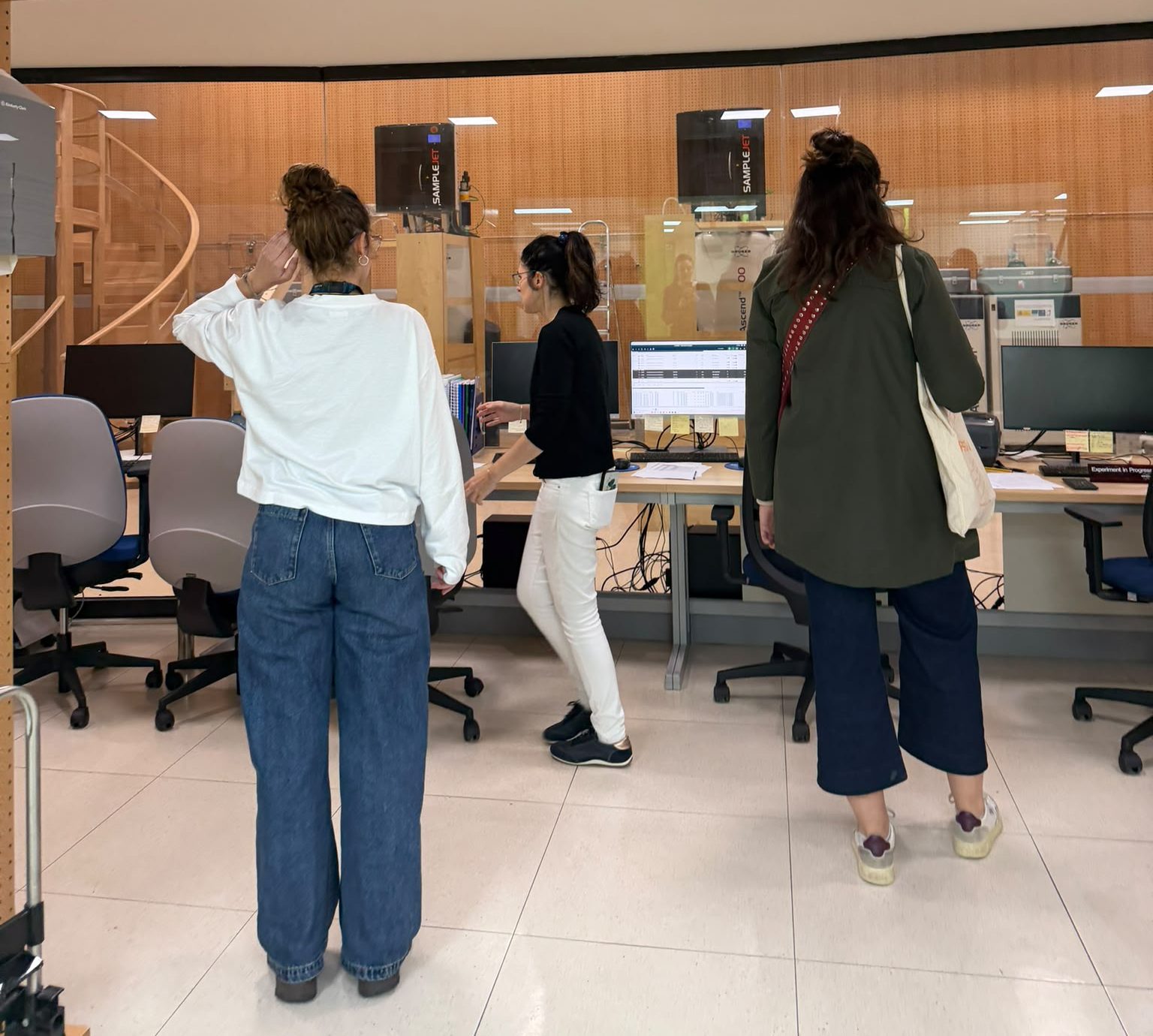
We met with Nieves Embade, who spoke to us about the team’s progress, their main research priorities over the past year, and their objectives for the remainder of the project. The team uses advanced analytical technologies to study biological samples and identify metabolic signatures associated with diet and health, contributing to CoDiet’s aim of developing more personalised and effective nutrition strategies.
We also had the opportunity to tour the facilities and see some of the state-of-the-art equipment being used in the CoDiet clinical trial.
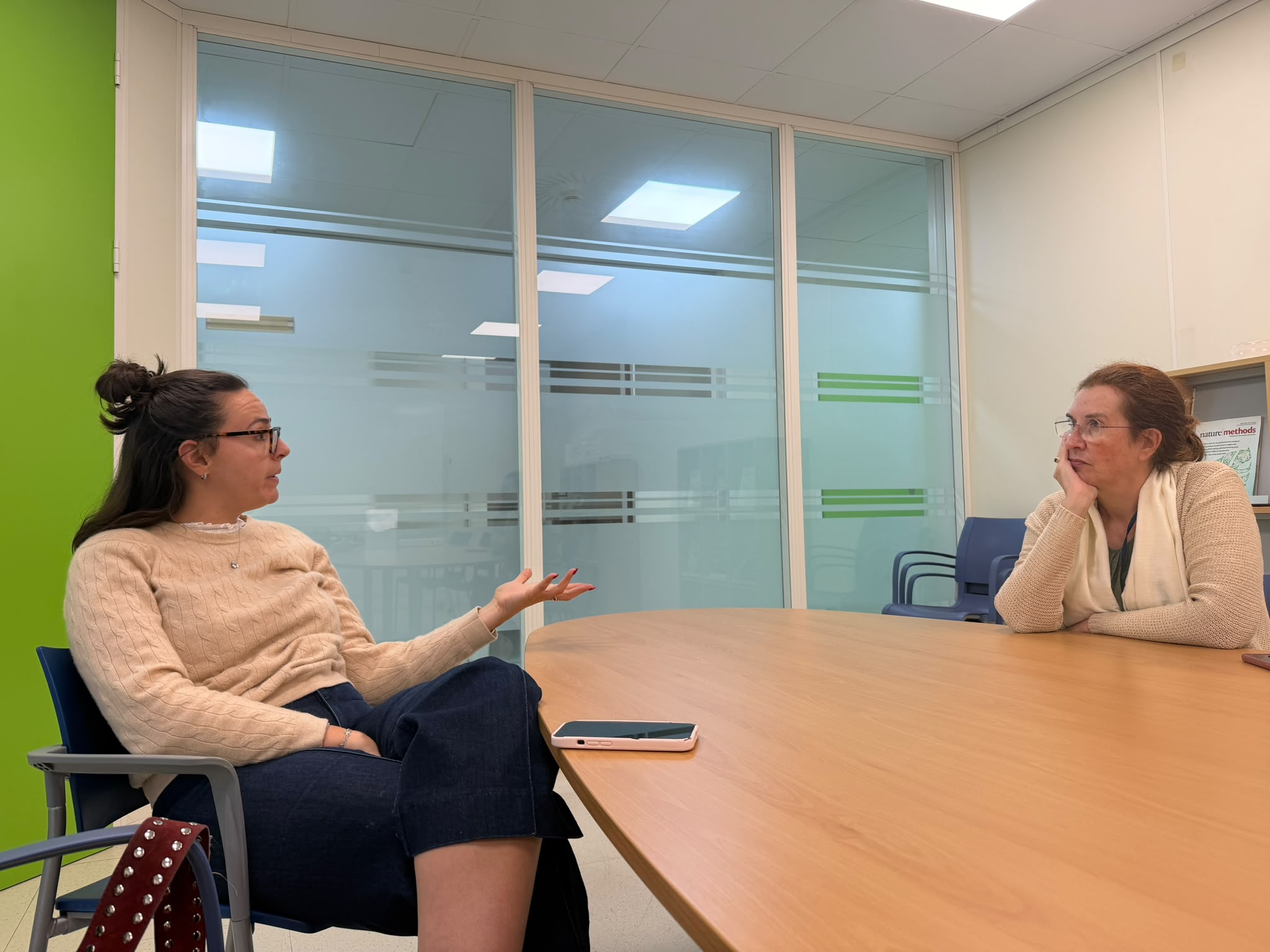
On Thursday, we headed back to the AZTI offices for the CoDiet Showcase, an event which has been held every year since the project began. It provides an opportunity for all project partners to come together, share progress, discuss challenges and identify priorities for the months ahead.
The Microcaya team also joined in person for the four-hour meeting, and we got started by listening to each work package present updates and achievements from across the past year. These presentations helped partners understand how different parts of the project are progressing, identify areas that need additional attention and discuss questions together.
The meeting concluded successfully, followed by a traditional Basque lunch of Spanish tortilla and bocadillo de jamón. Ivana and I returned to London with plenty of new ideas and renewed motivation to strengthen CoDiet’s communication and exploitation activities as we work towards the project’s completion.
Guest Authors